Did you know about 1 in 8 men will face prostate cancer during their lives? This fact shows why it’s crucial to find ways to lower cancer risk. Turning to what we eat, particularly legumes, can be a key step. They are packed with nutrients that help keep us healthy. Plus, they are a great plant-based way to help prevent prostate cancer. The American Cancer Society’s research shows that a legume-rich diet can significantly benefit prostate health. It opens new doors for lowering cancer risk.
Key Takeaways
- 1 in 8 men are at risk for prostate cancer, emphasizing preventive measures.
- Legumes offer essential nutrients beneficial for prostate health.
- Plant-based diets are linked to a lower risk of various cancers.
- Incorporating legumes can aid in overall health improvement.
- Scientific research supports dietary changes for effective cancer prevention.
Understanding Prostate Health and Cancer Risk
The prostate is a small gland located below the bladder and in front of the rectum. It plays a crucial role in male reproductive health by producing seminal fluid. As men age, the risk of prostate-related health issues, such as benign prostatic hyperplasia (BPH) and prostate cancer, increases significantly.
Understanding these conditions is essential for maintaining prostate health. Several factors contribute to cancer risk, including age, genetics, and lifestyle choices. Statistics show that men over the age of 50 face a heightened risk of prostate cancer.
Genetic predispositions may also elevate this risk, with family history acting as a significant indicator. Poor dietary habits and a sedentary lifestyle can exacerbate these risks. Making awareness and lifestyle adjustments vital.
Awareness about prostate health empowers individuals to identify potential issues early on. Regular screenings, alongside healthy lifestyle choices, can be instrumental in reducing the chances of developing prostate cancer. Eating a balanced diet rich in fruits, vegetables, and whole grains while minimizing processed foods can support overall health.
The Role of Diet in Prostate Health
What we eat plays a big part in keeping our prostate healthy. Studies show that some foods can increase or decrease prostate cancer risk. For example, eating a lot of red meat might raise the risk, while plant-based foods could help protect us.
Eating fruits, veggies, and legumes is good for the prostate. These foods have lots of antioxidants and fiber which might slow down cancer growth. Foods like nuts and fish offer healthy fats that are important for our health too.
Oncologists have found that a balanced diet can influence hormone levels affecting the prostate. For men, eating well is key to keeping the prostate healthy and lowering cancer risk.
| Dietary Component | Impact on Prostate Health |
|---|---|
| Red Meats | Increased risk of prostate cancer |
| Plant-Based Foods | Potentially protective against prostate issues |
| Healthy Fats | Supports hormone balance |
| Fruits and Vegetables | Rich in antioxidants; helps fight oxidative stress |
Knowing how diet affects prostate health lets people make smarter food choices. By eating better, we don’t just help our prostate. We improve our overall health and well-being too.
Legumes for Prostate Health: Nutritional Benefits
Legumes are key for good prostate health because of their nutritional content. They are rich in plant-based protein and dietary fiber. These nutrients help muscles recover and aid digest health.
High in Plant-Based Protein
For strong muscles and recovery, plant-based protein is key. Legumes like lentils, chickpeas, and black beans are great sources. Adding legumes to your diet boosts protein and supports prostate health.
Rich Source of Dietary Fiber
Legumes also have lots of dietary fiber, important for digestion. A fiber-rich diet keeps the gut healthy and may lower cancer risks. Eating more fiber can help prevent prostate issues. For more on fiber’s perks, visit this resource.
Soy Isoflavones: Key Players in Cancer Prevention
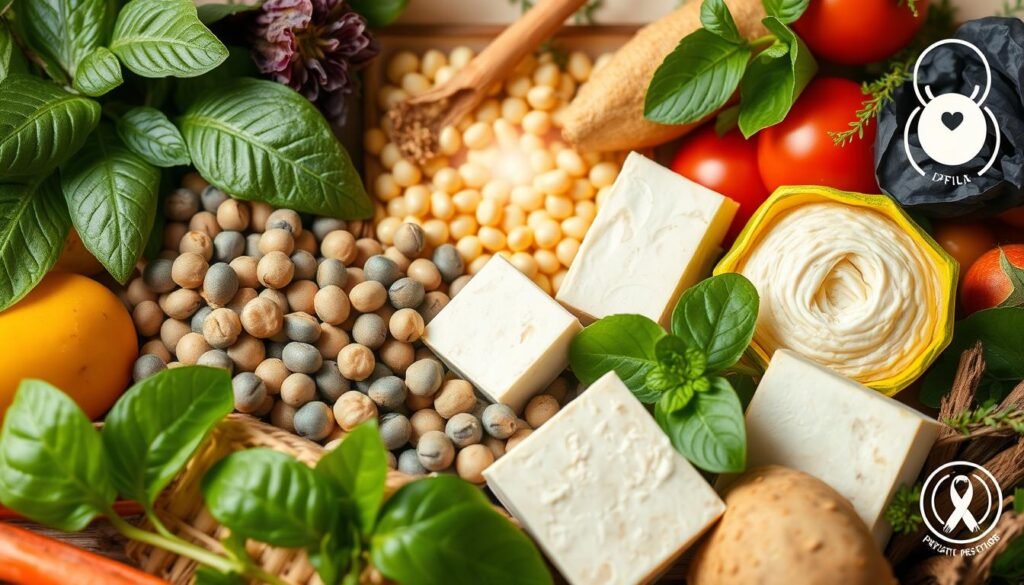
Soy isoflavones are found in soybeans and are known for their health benefits. They play a big role in cancer prevention and prostate health. Many studies show that eating soy products can reduce the risk of prostate cancer.
Health Benefits of Soy Products
Eating soy products like tofu, tempeh, and edamame is good for your health. They have phytochemicals that help prevent cancer. These compounds can balance hormones and keep cells healthy.
Adding soy foods to your diet is good, as many studies suggest. They show that diets with lots of legumes are healthy. For more information, check out this study.
How Soy Isoflavones Affect Prostate Health
Studies say soy isoflavones can protect against prostate cancer. They may stop cancer cells from growing and help good proteins do their job. Eating foods with soy is smart for those worried about prostate health.
More isoflavones mean a lower chance of getting prostate cancer, studies find. To learn more, read this article.
Reducing Inflammation with Legumes
Legumes are key in reducing inflammation, crucial for good health. Chronic inflammation is linked to many health problems, like prostate cancer. Adding legumes to your diet is a smart move against these issues. They are full of antioxidants and phytochemicals, helping control inflammation.
Recent studies show eating lots of legumes can lower inflammation markers. This supports the importance of legumes for better health, especially for the prostate. Adding these nutrient-packed foods to your meals has long-term benefits.
The table below shows some major legumes benefits for reducing inflammation:
| Type of Legume | Primary Nutritional Component | Inflammation Reduction Factor |
|---|---|---|
| Black Beans | Antioxidants, Fiber | High |
| Lentils | Protein, B Vitamins | Moderate |
| Chickpeas | Protein, Folate | High |
| Kidney Beans | Fiber, Magnesium | Moderate |
Eating these legumes promotes a diet that helps maintain healthy inflammation levels. For more tips on how diet affects prostate health, check out these dietary recommendations focusing on anti-inflammatory foods.
Antioxidant Properties of Legumes
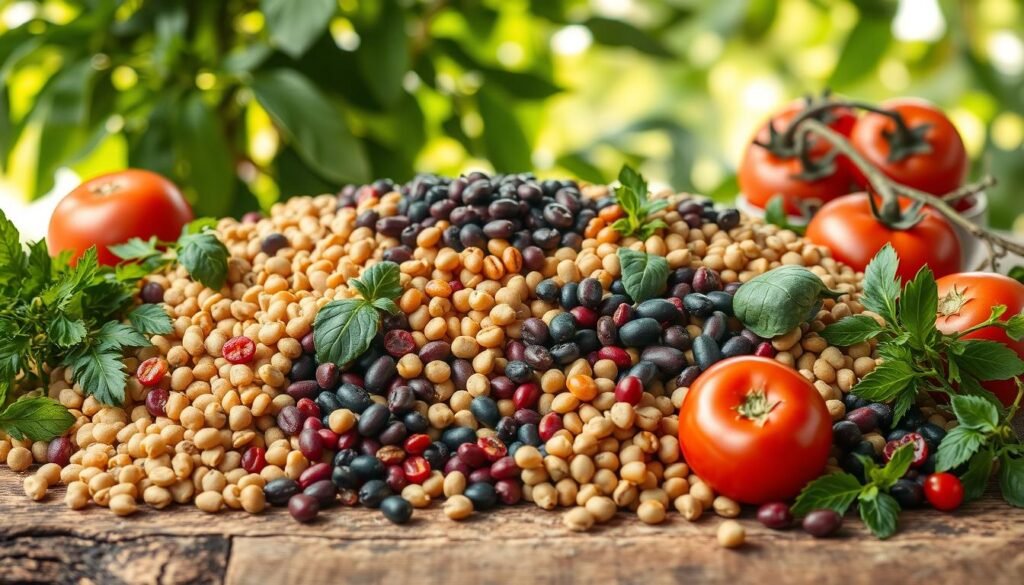
Legumes are a powerhouse of health benefits. Their remarkable antioxidant properties play a huge role. They fight oxidative stress, linked to many chronic diseases like cancer.
Antioxidants in legumes neutralize harmful free radicals. This protects your cells from damage. Adding legumes to your diet keeps your body in balance.
Fighting Oxidative Stress
The rich antioxidants in legumes, like lentils and beans, reduce oxidative stress. This stress happens when harmful free radicals and antioxidants are out of balance, damaging cells and tissues. Eating legumes boosts your body’s defense against this damage.
High-antioxidant foods are essential for health. They are key for a diet aimed at improving prostate health with foods like broccoli and blackberries. Learn more in the healthy eating challenge at this resource.
Supporting Overall Health and Longevity
Eating legumes regularly supports long-term health. They help prevent serious diseases like heart disease and diabetes. These benefits come from legumes’ fiber, protein, and antioxidants.
This combination is key for a healthy diet. It fights oxidative stress and leads to a healthier life.
| Food | Antioxidant Content | Health Benefits |
|---|---|---|
| Lentils | High | Reduces oxidative stress, supports heart health |
| Black Beans | Moderate | Promotes gut health, aids in weight management |
| Chickpeas | High | Improves digestion, stabilizes blood sugar levels |
| Peas | Moderate | Supports immune function, enhances skin health |
Legumes and Benign Prostatic Hyperplasia (BPH)
Benign Prostatic Hyperplasia (BPH) is a common issue many men face as they get older. Studies show that adding legumes to your diet can greatly help manage BPH. Being rich in fiber and plant proteins, legumes help reduce the risk and ease the symptoms of this condition.
Using legumes like lentils, chickpeas, and beans in your everyday meals adds important nutrients for the prostate’s health. Research has shown how diet plays a key role in the life quality of people with BPH.
Below is a table detailing the main nutrients in various legumes and how they benefit BPH:
| Legume Type | Protein (g) | Fiber (g) | Potential Benefits for BPH |
|---|---|---|---|
| Lentils | 18 | 15.6 | Supports hormonal balance |
| Black Beans | 15 | 15 | Reduces inflammation |
| Chickpeas | 20 | 12.5 | Enhances gut health |
| Pinto Beans | 15 | 13.4 | Improves urinary function |
Eating a variety of legumes can help manage the symptoms of Benign Prostatic Hyperplasia (BPH). It’s a natural and plant-based approach to better prostate health.
Incorporating Legumes into a Fiber-Rich Diet
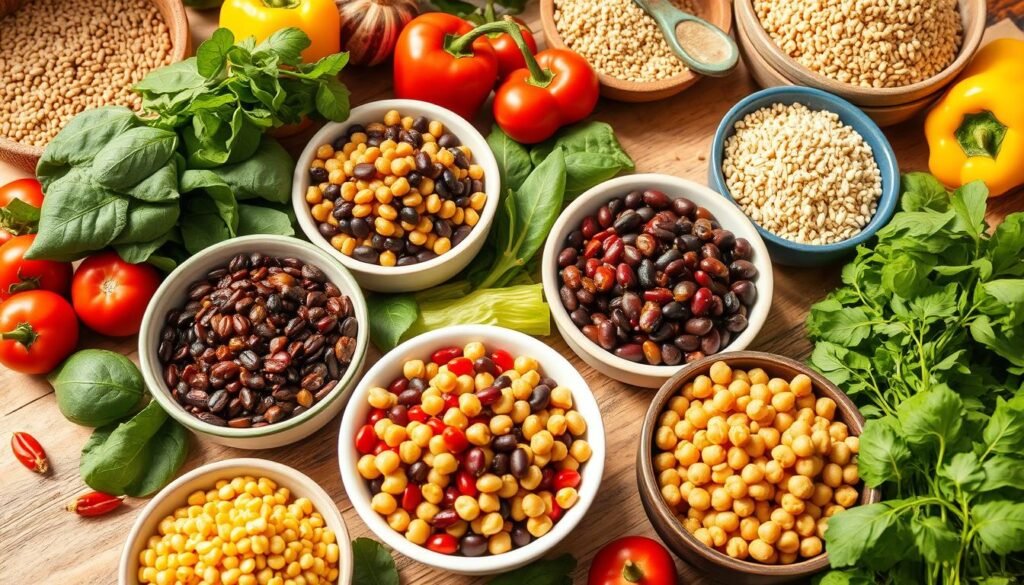
Eating a diet rich in fiber is key to staying healthy. Legumes, like beans, lentils, and chickpeas, are really important for this. They pack a lot of fiber. The amount of fiber we need changes with age and gender. But it usually ranges between 25 to 38 grams a day.
Adding legumes to your diet is not only easy but also tasty. Here are a few fun tips:
- Start meals with a hearty legume soup filled with veggies.
- Throw black beans or chickpeas into your salads for more protein and fiber.
- Try using lentils in stews, curries, or as a meat alternative in tacos.
- For a snack, consider roasted chickpeas or hummus with whole-grain crackers or veggies.
Trying different kinds of legumes can make meals more interesting. The way you cook them, like pressure cooking, boiling, or slow cooking, changes their texture and taste. To get the most out of legumes, here are some cooking tips:
- Soak dried legumes before cooking to cut down on cooking time and make them easier to digest.
- Wash canned legumes to get rid of extra sodium.
- Add herbs and spices to make your legume dishes tastier.
With these tips, adding legumes to your diet is simple. It makes your meals more interesting and is good for your digestion and health overall.
| Legume Type | Fiber per Cup (cooked) | Benefits |
|---|---|---|
| Black Beans | 15 grams | Heart health, blood sugar control |
| Chickpeas | 12 grams | Weight management, rich in protein |
| Lentils | 16 grams | Rich in nutrients, supports digestion |
Practical Tips for Adding Legumes to Your Meals
Adding legumes to daily meals boosts health and nutrition. Here are Practical Tips to enjoy and simplify the process.
- Batch Cooking: Cook legumes in big batches. You can keep cooked beans, lentils, and chickpeas in the fridge for a week. Or freeze them for longer use.
- Variety is Key: Try various legumes like black beans, kidney beans, lentils, and peas. Different types make meals exciting and healthy.
- Substitution: Use legumes instead of grains. Lentils can replace rice in stir-fries or salads. This boosts protein and fiber.
- Soups and Stews: It’s easy to add legumes to soups and stews. They make these dishes richer and healthier.
- Salads: Add cooked legumes to salads. Toss chickpeas or black beans with veggies and a light dressing for a protein-filled meal.
These tips improve Meal Preparation and encourage eating more plants. Being creative with legumes leads to tasty, nutritious meals that are good for prostate health.
Conclusion
Adding legumes to your diet is a strong move for better prostate health and lowering cancer risk. Legumes are rich in plant protein and fiber, which are key for a healthy diet. They also have soy isoflavones. These help balance hormones and protect against prostate problems.
Legumes are both nutritious and flexible in any diet. They fight inflammation and have antioxidants. This makes legumes great for health and fighting stress from oxidation. Choosing foods with legumes for prostate health can improve your lifestyle.
It’s good to find new ways to include legumes in your diet. This plant-based choice helps lower cancer risk. It also boosts your overall health.