Every year, about 200,000 Americans find out they have prostate cancer. This makes it the number two cancer for men in the U.S. Even though early-stage prostate cancer doesn’t usually show signs, knowing what to look out for is key. In 2023, it’s estimated that nearly 288,300 men will be newly diagnosed. This fact highlights the importance of knowing the main symptoms of prostate cancer.
Spotting these symptoms early can make a huge difference in treatment success. In fact, 97% of men who catch their cancer before it spreads survive at least five years. This is why paying attention to your body and getting checked regularly is critical.
This section will cover the important early warning signs. By learning them, you can take charge of your health early on.
Key Takeaways
- Prostate cancer is the second most common cancer in American men.
- Almost 200,000 new cases are diagnosed every year.
- It’s vital to understand the symptoms for early detection.
- 97% of men spotted early can survive over five years.
- Knowing the symptoms helps in getting timely medical advice.
Understanding Prostate Cancer
Prostate cancer starts in the prostate gland, vital for male reproduction. It’s the second most common cancer among men worldwide. Knowing what is prostate cancer means understanding it usually begins with abnormal cell growth. This is often sparked by androgen hormones. In its early stages, many men may not spot any symptoms, allowing it to advance undetected.
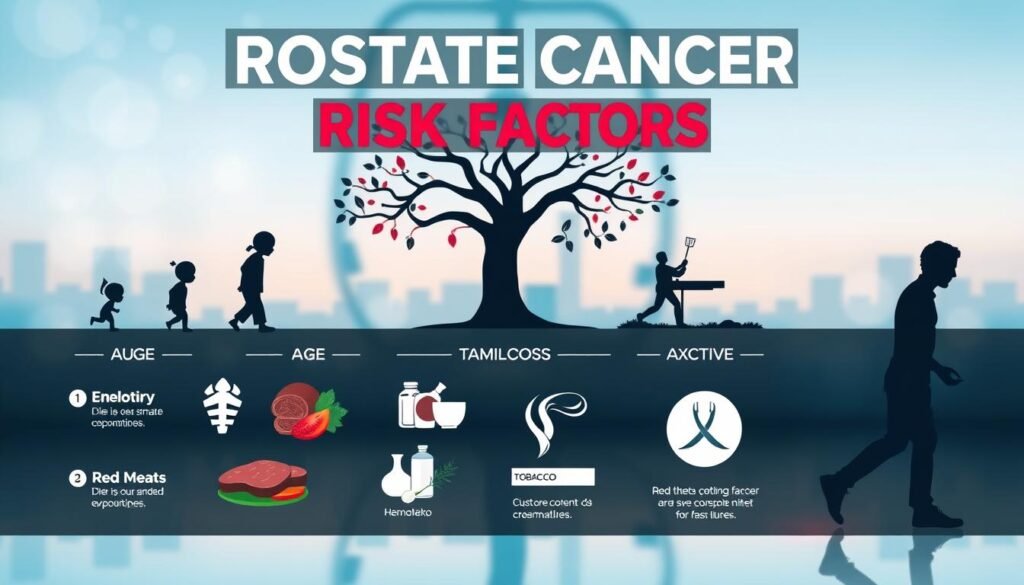
Age plays a big role in prostate cancer risk, especially for men over 65. Black men are at a higher risk than other groups. Also, having a family history of prostate cancer or certain breast cancers increases your risk. Catching it early is key to effective prostate cancer treatment.
The first signs of prostate cancer might be:
- Hard time urinating
- Blood in urine or semen
- Pain in the bones
- Losing weight without trying
- Fevers for no reason
Spotting these signs early is crucial for getting the right help. It’s also important to know how prostate cancer develops. Regular screenings are vital, especially for those with higher risks. Doctors use something called the Gleason score to see how aggressive the cancer is.
Prostate cancer can be treated with surgery, radiation, or hormone therapy. Androgen deprivation therapy (ADT) is one way to tackle it by blocking male hormones. Choosing the best treatment depends on the cancer’s stage and the patient’s health.
Being in the know about prostate cancer helps achieve better results. Taking steps based on your risk factors, like family history and lifestyle, helps too. To learn about what causes prostate cancer, go to this link.
Who is at Risk for Prostate Cancer?
Many men face a significant risk of prostate cancer, especially in certain groups. The main prostate cancer risk factors are age, race, and family history. Most men diagnosed are older than 65, showing age is a big factor.
African American men see higher rates of prostate cancer than other groups. They not only get diagnosed more but also have higher death rates. Having a close relative with prostate cancer doubles a man’s own risk.
Diet may also affect prostate cancer risk. High dairy intake could slightly increase the risk. Obesity does not seem to raise the risk for prostate cancer. Smoking might lead to worse outcomes in prostate cancer cases.
Certain environmental factors like arsenic and pesticides could up the risk. A history of prostatitis or a vasectomy may also increase it. Knowing these risks is key to prevent prostate cancer.
Catching prostate cancer early is crucial. It improves the chances of successful treatment. That’s why being aware and getting screened regularly matters.
The Prostate Gland and Its Function
The prostate gland is key to the male reproductive system. Located below the bladder, this walnut-sized gland makes seminal fluid. This fluid helps and moves sperm during ejaculation, showing its importance for fertility.
As men get older, the prostate gland may change. An enlarged prostate can cause urinary problems, affecting health. It’s important for men to know how aging might change the prostate’s role.
Prostate cancer can upset the prostate’s normal work. Finding it early is crucial for keeping the prostate healthy. Signs like sudden weight loss should not be ignored, urging a check-up. Checking in time can guide to correct treatment. The American Cancer Society provides help for those dealing with cancer.
Getting regular checks and knowing prostate health signs are key. They help maintain its function and your life quality. Being alert to symptoms and getting medical advice is vital. Conditions like BPH may mimic prostate cancer symptoms, showing why right diagnosis is important.
Knowing how the prostate works and its role is crucial. It not only aids in spotting problems early but also boosts a man’s overall health.
Top 5 Symptoms of Prostate Cancer
Knowing the early signs of prostate cancer is key to getting help fast. Many men may ignore signs, thinking they’re not serious. But spotting these early warnings can help catch cancer soon and improve odds of beating it. Here are the top five symptoms to look out for:
Pain or Burning During Urination or Ejaculation
Pain when peeing might show irritation in the urinary tract. This could feel like a burn, pushing men to get medical help. Feeling pain when ejaculating might point to prostate trouble, too. It’s crucial to take these early signs of prostate cancer seriously.
Continuous Urgency for Urination
Needing to pee a lot, especially at night, is a sign that needs attention. It can mess with sleep and suggest prostate or urinary issues. Even though BPH often causes this, ongoing urges could mean prostate cancer is a possible cause.
Blood in Urine or Semen
Seeing blood in your pee or semen is scary. This situation, called hematuria, means you should see a doctor right away. It’s a big red flag for prostate cancer. Finding the cause quickly is important, as infections and other conditions can cause similar symptoms.
Difficulty Starting or Stopping Urination
Trouble starting or stopping pee can be frustrating and uncomfortable. While BPH is a usual culprit, these problems may also point to prostate cancer. This makes it crucial to see a doctor.
Weak or Intermittent Urine Flow
A weak or stop-and-start pee flow might signal a prostate blockage or issue. It’s important to notice if this happens often. Such signs are a prompt to discuss with doctors and check for serious conditions.
| Symptom | Potential Causes | Action to Take |
|---|---|---|
| Pain During Urination | Prostate cancer, infections | Consult a physician for evaluation |
| Frequent Urination | BPH, prostate cancer | Monitor and report to a healthcare provider |
| Blood in Urine | Prostate cancer, infections, kidney issues | Seek immediate medical attention |
| Difficulty Urinating | BPH, prostate cancer | Schedule an appointment with a urologist |
| Weak Urine Flow | Prostate issues | Consult a healthcare professional |
Learning about these symptoms is crucial for staying proactive about prostate health. Early detection plays a big role in managing and treating prostate issues effectively.
Common Misconceptions About Prostate Cancer
Many believe prostate cancer only affects older men. This idea misses young men who also face this illness. It shows why awareness is needed for all ages.
Some think urinary problems always mean prostate cancer. But, issues like trouble urinating often come from a non-cancerous condition called BPH. Knowing these prostate health misconceptions helps reduce worry and promotes taking care of one’s health.
Screenings for prostate cancer are critical. Most men get diagnosed at around 66. The American Cancer Society suggests starting talks about screening at 50. High-risk individuals should start earlier, at 40.
There’s a false belief that vasectomies increase prostate cancer risk. This is not true. Clearing up these myths about prostate cancer encourages men to get screenings.
Correct information is key. There are great resources online for learning. For better understanding, check out this source.

Impact of Age and Race on Prostate Cancer Risk
Prostate cancer stats show clear trends with age and race. Men over 50 face higher risks, with diagnosis rates increasing. About 60% of all cases are in men aged 65 or older. By 80, nearly 60% may have prostate cancer cells.
African American men see a bigger impact from prostate cancer. They get diagnosed younger than white men do. While 1 in 8 men might get prostate cancer, African Americans have a 60% higher risk. They also face more than double the mortality rate of non-Hispanic white men.
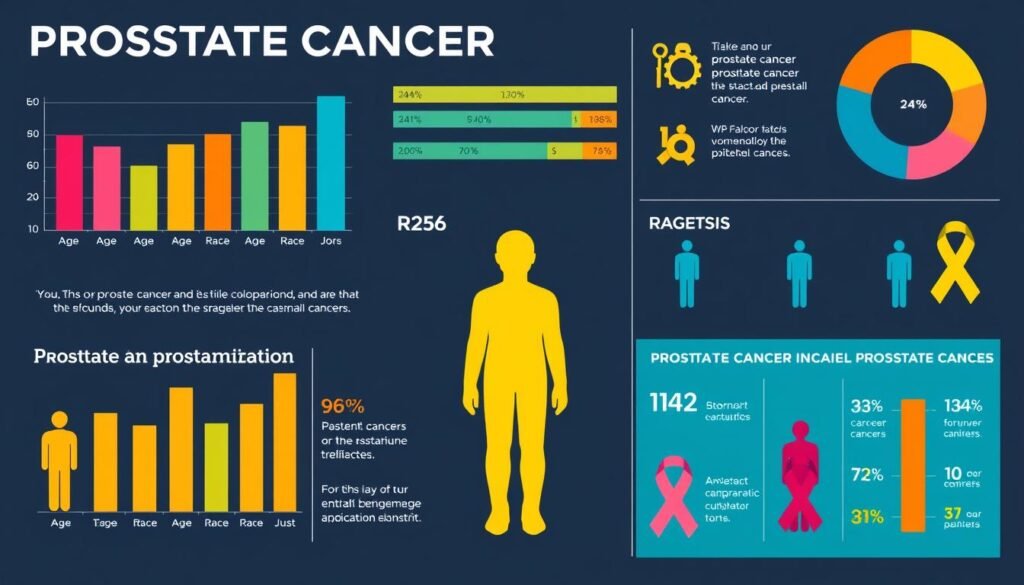
Knowing these age and racial factors helps improve awareness and screening. The average diagnosis age is 66. Non-Hispanic African American men have a higher risk for aggressive cancer. This emphasizes the need to focus on these disparities.
For more details, a study highlights the importance of these factors in prostate cancer research here.
When to Seek Medical Advice
Knowing when to seek medical advice for prostate problems is key to staying healthy. If you notice things like going to the bathroom more, having trouble when you do, or seeing blood, pay attention. It’s crucial to determine when to see a doctor for prostate issues, especially if things get worse or if you notice something new.
Prostate cancer might not show any signs early on. This makes it very important for men over 50, especially those with a family history or of African descent, to keep an eye on their health. Look out for signs like a weak urine flow or needing to go more often, particularly at night. If you’re feeling pain in your back or hips, having trouble with erections, or losing weight without trying, you should seek medical help right away.
Going for regular check-ups and tests, such as a PSA blood test or a digital rectal exam, is a smart move. Finding things early can make treatment work a lot better. Knowing how to deal with prostate cancer medical advice can empower men to look after their health better.
| Symptoms | Recommended Action |
|---|---|
| Frequent urination | Consult a healthcare provider for evaluation |
| Blood in urine or semen | Immediate medical attention is essential |
| Weak urine flow | Schedule a diagnostic appointment |
| Back or hip pain | Seek an assessment for possible advanced symptoms |
| Unexpected weight loss | Report during your next check-up |
Importance of Regular Screening for Prostate Cancer
Screening for prostate cancer is key for finding it early. In 2018, experts said men who are 55 to 69 should think about getting a PSA test. Talking with doctors helps men make choices that fit their health best.
The PSA test importance is really big. It checks the health of the prostate and looks for issues. It’s super important for African American men and those with prostate cancer in their family. After 50, the risk goes up, especially if there are gene mutations like BRCA1 and BRCA2.
People over 70 may not need screening. The decision should be based on a man’s health, risk factors, and what he wants. But, screening could find cancer early or give false positives, especially in older guys.
Talking to doctors is crucial to understand the pros and cons of screening. Catching cancer early can lead to better health outcomes. So, regular check-ups are a big part of taking care of men’s health.
Advanced Symptoms of Prostate Cancer
As prostate cancer gets worse, patients often face hard symptoms. It’s important to know these signs to get help early and adjust treatments if needed. Some symptoms are urgent and show serious problems.
Pain in Bones or Lower Back
Bone pain is common in advanced prostate cancer. The cancer often spreads to bones like the spine and ribs. This can cause non-stop pain that messes with sleep.
Metastasis can also lead to severe back pain from spinal cord pressure. This needs a quick check by a doctor. Such signs greatly affect daily life.
Loss of Bladder or Bowel Control
Metastatic prostate cancer might cause loss of bladder or bowel control. Tumor pressure can change how you urinate or control bowel movements. This leads to discomfort, like needing to urinate often, even at night, or finding blood in urine or semen.
Seeing these signs early is crucial for managing them. They show the cancer might be getting worse.
| Symptom | Possible Cause | Action Required |
|---|---|---|
| Bone Pain | Metastasis to bones | Seek immediate medical evaluation |
| Lower Back Pain | Spinal cord compression | Consult a physician without delay |
| Loss of Bladder Control | Pressure from tumors on nerves | Report symptoms to a healthcare provider |
| Nocturia | Increased tumor activity | Medical assessment recommended |
| Blood in Urine/Semen | Potential tumor invasiveness | Urgent medical consultation needed |
Knowing these symptoms helps with early diagnosis and treatment. This can make life better for those with metastatic prostate cancer.
Conclusion
It’s very important for men to know the early signs of prostate cancer. This year, around 299,010 new cases are expected. Early detection can make a huge difference.
Knowing the risks and common symptoms can help save lives. Especially since 1 in 8 men will face this diagnosis in their lifetime. It’s vital to catch the warning signs early and get medical help right away.
Men over 50 need to talk to their doctors about prostate checks. This is because many men in their 50s start to have benign prostate growth.
Being proactive about health can empower men. It also promotes a community focus on catching and treating prostate cancer early. By being aware and getting regular checks, men can better manage their health and fight against this widespread disease.