Did you know that late grade 3 or 4 genitourinary or gastrointestinal toxicity rates with Permanent Low-Dose Rate (LDR) Brachytherapy for prostate cancer are between 1% and 4%? This shows how effective this treatment is while keeping side effects low. LDR brachytherapy is an advanced Radiation Oncology technique. It treats Prostate Cancer by placing radioactive seeds right into the prostate.
This technique ensures ongoing radiation to the tumor while saving the healthy tissues around it. It’s a top choice for treating early-stage prostate cancer. Next, we’ll give you a full overview of Permanent Low-Dose Rate (LDR) Brachytherapy. You’ll learn about the procedure, its benefits, side effects, and how to care for yourself after treatment.
Key Takeaways
- Permanent Low-Dose Rate (LDR) Brachytherapy is a minimally invasive option for localized prostate cancer.
- The procedure involves inserting radioactive seeds that gradually release radiation over several months.
- Compared to traditional treatments, LDR provides fewer side effects and quicker recovery.
- Understanding patient eligibility is crucial for optimal treatment outcomes.
- Post-treatment care includes monitoring PSA levels and managing any potential side effects.
- LDR may be most effective when combined with other treatments like external beam radiation therapy.
Understanding Prostate Cancer
Prostate cancer is the most common cancer in those with a prostate in Canada. It causes major health worries. The prostate gland, under the bladder, is key in making part of semen. The cancer can be slow or quick to spread to other parts or organs.
In 2017, around 21,300 new cases of prostate cancer were found in Canada. This led to about 4,100 deaths. It shows prostate cancer is behind 10% of all cancer deaths in Canadians with a prostate. Catching the cancer early and choosing the right treatment improves survival chances.
Low-dose rate (LDR) brachytherapy is a top choice for early-stage prostate cancer. It involves placing many tiny radioactive seeds in the prostate. These seeds give off radiation over time. This method kills cancer cells while saving the healthy tissue around them.
It’s crucial to understand prostate cancer deeply. Many people are affected, and knowing about treatments like LDR brachytherapy helps in making choices. Staying updated on treatments can help patients through their cancer journey.
What is Permanent Low-Dose Rate (LDR) Brachytherapy for Prostate Cancer
Permanent Low-Dose Rate (LDR) Brachytherapy is a key therapy for prostate cancer. It involves putting low-dose radioactive seeds right into the prostate gland. These seeds give off radiation to kill cancer cells but don’t harm nearby healthy tissue.
Definition and Overview
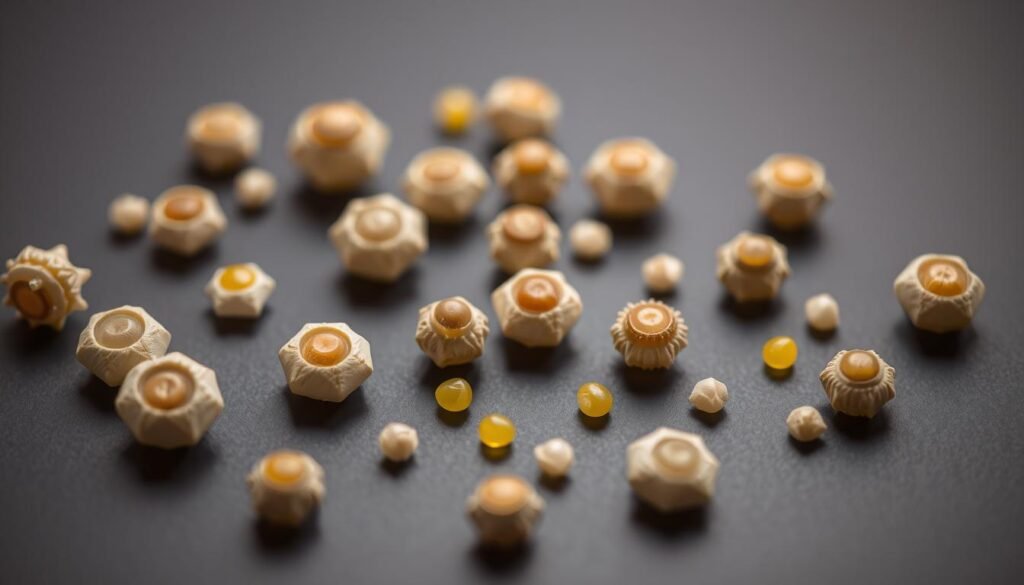
LDR brachytherapy uses tiny iodine-125 radioactive seeds. These seeds are placed in the prostate to give off a steady radiation dose. It’s done as an outpatient procedure with general anesthesia, and the seeds stay in the prostate forever. It works well for men with prostate cancers that are low to intermediate risk and haven’t spread.
How LDR differs from other treatments
LDR brachytherapy is different from external beam radiation. It delivers radiation right to the spot, without harming other organs much. Meanwhile, HDR brachytherapy uses temporary seeds of iridium-192. It’s a different process and leads to other outcomes. LDR’s importance in treating prostate cancer is growing because it’s less invasive and has fewer side effects.
The Procedure for LDR Brachytherapy
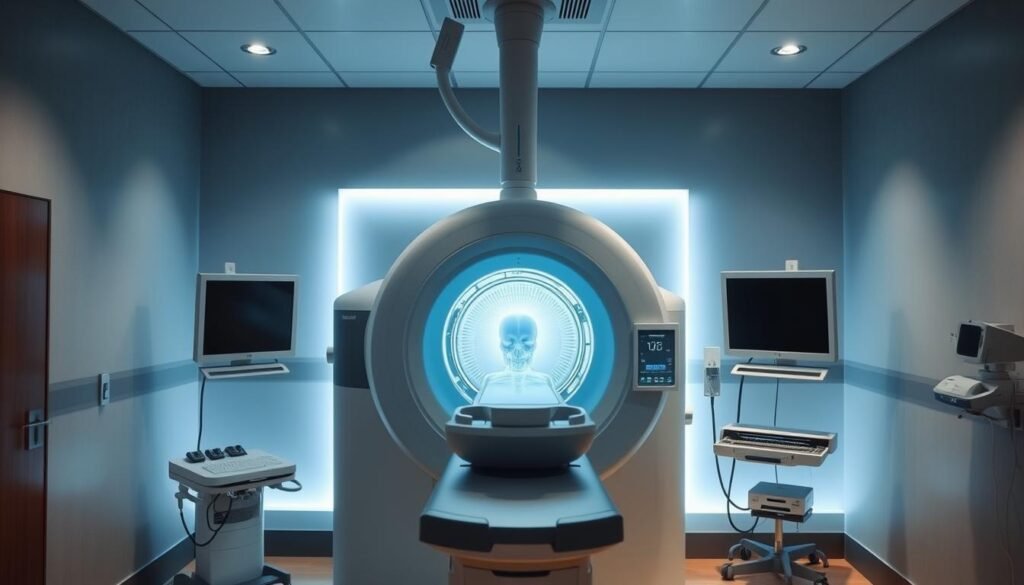
LDR brachytherapy is a treatment for prostate cancer. It focuses radiation precisely and protects nearby healthy tissue. Knowing how it works can ease worries and clear up expectations.
Step-by-Step Process
A discussion with a radiation oncologist starts the process. Here, the doctor explains the benefits, risks, and what to expect. Then, imaging tests design a plan for placing radioactive seeds.
On the procedure day, the patient gets anesthesia. This may include both intravenous sedation and spinal anesthesia as needed. An ultrasound probe then guides needles for seed placement into the prostate. The team implants 80 to 120 seeds, each small like a rice grain, into the prostate. This lasts about an hour.
What to Expect During the Treatment
Patients might feel a little uncomfortable during seed implantation. Anesthesia greatly helps reduce any pain. After the LDR brachytherapy, there’s a brief recovery before going home. Patients get advice about activity limits and safety due to radiation. Staying away from vulnerable people for a while is crucial because of initial radiation from the seeds.
Benefits of Permanent Low-Dose Rate (LDR) Brachytherapy
Permanent Low-Dose Rate (LDR) brachytherapy is a top choice for prostate cancer treatment. It is known for its minimally invasive therapy benefits. This method targets cancer cells with precision. It also protects the nearby tissues. This approach greatly improves the patient’s experience.
Minimally Invasive Therapy Advantages
LDR brachytherapy is notably less invasive. It offers several benefits to patients:
- Reduced recovery time, allowing for a quicker return to daily activities.
- Less postoperative pain compared to traditional surgical interventions.
- A lower risk of complications and side effects, particularly impotence and incontinence.
Patients often start walking just hours after the procedure. This quick recovery is a key benefit. It helps increase patient satisfaction with LDR brachytherapy.
Improved Quality of Life and Treatment Outcomes
Long-term studies show the strong results of LDR brachytherapy. It not only fights cancer well but also maintains a high quality of life for prostate cancer patients after treatment. Most patients face few complications. This improves their daily lives.
Good prostate-specific antigen (PSA) levels after treatment highlight its success. With survival rates similar to more invasive methods, more patients choose LDR brachytherapy. They see its many benefits.
| Benefit | Traditional Surgery | LDR Brachytherapy |
|---|---|---|
| Recovery Time | Weeks | Days |
| Postoperative Pain | Higher | Lower |
| Impotence Risk | Higher | Lower |
| Incontinence Risk | Higher | Lower |
| Oncologic Survival Rates | Comparable | Comparable |
Radioactive Seed Implants: How They Work
Radioactive seed implants are essential for treating prostate cancer with Low-Dose Rate (LDR) brachytherapy. They deliver precise radiation. Knowing about iodine-125 and palladium-103 seeds helps understand this treatment better.
Types of Radioactive Seeds Used
Choosing between iodine-125 and palladium-103 seeds affects how well the treatment works. Here’s what each does:
- Iodine-125 (I-125): This seed is chosen for its steady radiation, giving a consistent dose over time.
- Palladium-103 (Pd-103): Offers a strong initial dose to fight cancer cells early on.
Both seeds are safe, wrapped in titanium to stop radiation leaks.
Radiation Emission Process
After implantation, these seeds emit radiation for months. The radiation level slowly drops. This targets the tumor while sparing healthy tissue.
Understanding Brachytherapy Side Effects
Brachytherapy, especially the permanent low-dose rate (LDR) method, is generally favored by patients. While side effects may occur, they often improve over time. Knowing about brachytherapy side effects is key for being prepared and setting recovery expectations.
Common Side Effects
Recovery can bring certain issues like:
- Urinary problems, including trouble starting to urinate and needing to go often.
- Erectile dysfunction.
- Changes in bowel habits, like more frequent or loose bowel movements.
These prostate cancer treatment reactions tend to be short-lived and decrease as your body adjusts. Doctors offer treatments to ease these symptoms, improving your life. For details on long-term effects, visit this informative site.
Serious but Rare Complications
Rarely, serious issues can happen in a few cases. These rare complications of brachytherapy include:
- Urethral narrowing, which makes peeing hard.
- Fistula formation between the rectum and urinary tract, needing more treatment.
It’s crucial to remember that these serious problems occur in just 1-4% of patients. The advantages of LDR brachytherapy often outweight the risks, particularly in early-stage prostate cancer. Talking with healthcare providers is vital to understand recovery expectations.
| Type of Side Effect | Frequency | Management Strategies |
|---|---|---|
| Urinary Issues | Common | Medication and pelvic floor exercises |
| Erectile Dysfunction | Common | ED medications, therapy |
| Bowel Disturbances | Common | Dietary adjustments, medications |
| Urethral Narrowing | Rare | Urological procedures |
| Fistula Formation | Rare | Surgical intervention |
Patient Selection for LDR Brachytherapy
Choosing the right candidates for LDR brachytherapy needs careful thought. It works best for those in early-stage, non-metastatic prostate cancer stages. These patients have a low risk of their disease getting worse. The selection is based on overall health, the size of the prostate, and PSA levels. It’s vital that candidates understand what the treatment does and its side effects.
Criteria for Suitable Candidates
To pick patients for brachytherapy, they must meet specific criteria. These include:
- Diagnosis of low-risk or favorable intermediate-risk prostate cancer.
- No distant metastasis.
- Good organ function for a safe procedure.
- A preference to avoid harsher treatments.
LDR brachytherapy is great as a sole treatment for low-risk patients. For those with higher risk, it’s combined with external radiation. Recommended radionuclides include iodine-125, palladium-103, or cesium-131.
Prostate Cancer Staging Considerations
Prostate cancer staging is key for treatment plans. It looks at tumor size, spread, and PSA levels. Patients with localized cancer, in stages I and II, often qualify for LDR brachytherapy. Yet, those in advanced stages III and IV might need more treatments. This can include hormone therapy or external beam radiation therapy.
Monitoring Prostate-Specific Antigen (PSA) Levels After Treatment
After LDR brachytherapy, checking PSA levels is crucial. It shows if the treatment works and if cancer might be coming back. A “PSA bounce” means levels might go up at first. This is normal and usually means the treatment is working well.
Importance of PSA Testing
It’s key that doctors keep an eye on PSA levels after treatment. This helps spot if cancer may return or if more help is needed. A low PSA level five years after treatment usually means no cancer return.
What to Expect Post-Treatment
After treatment, patients have regular check-ups to watch their PSA. They should tell their doctors about any PSA changes. A PSA over 0.5 ng/ml after treatment could mean a higher chance of the cancer coming back.
Focusing on PSA levels over time helps patients and doctors manage health better. Knowing about PSA trends can guide patients in their care steps. They learn more about the importance of this during their brachytherapy follow-up.
Complementary Treatments Alongside LDR Brachytherapy
In managing prostate cancer, adding complementary treatments can make a big difference. These strategies focus on different aspects of the disease. They aim for the best control over the condition for patients. Using a mix of therapies ensures effective and complete care.
External Beam Radiation Therapy (EBRT)
EBRT is a smart choice for individuals with more serious forms of prostate cancer. When used with LDR brachytherapy, patients see better results. The EBRT benefits stand out by covering a large area. It targets hidden cancer cells and saves the healthy ones around them.
This mix, according to research, boosts survival chances. It also lowers the chance of the cancer coming back, even in harsh cases. This two-way approach to radiation increases the success of the treatment.
Hormone Therapy Options
Hormone therapy is key for some patients alongside LDR brachytherapy. It cuts down testosterone, which can feed the growth of prostate cancer. It’s especially useful for those in later stages of the disease. This way, it targets the hormonal effect on the cancer’s growth.
Adding hormone therapy means the treatment is well-rounded and personalized. These extra steps not only manage the disease better but also aim to maintain a good quality of life afterwards.
| Treatment Method | Mechanism | Target Patient Group | Outcomes |
|---|---|---|---|
| LDR Brachytherapy | Localized radiation delivery via implanted seeds | Low to intermediate-risk patients | High biochemical control rates |
| EBRT | External radiation therapy to broader area | Intermediate to high-risk patients | Improved survival and reduced recurrence |
| Hormone Therapy | Suppression of testosterone production | Advanced stage patients | Enhanced treatment effectiveness |
Active Surveillance: A Possible Alternative Approach
Active surveillance is a key method for managing prostate cancer, especially for those with low-risk, slow-growing types. It involves closely watching the cancer’s progression through regular tests, avoiding immediate harsh treatments. This way, patients can possibly skip or push back treatments that come with heavy side effects.
When to Consider Active Surveillance
Your doctor might suggest active surveillance if you have:
- Diagnosis of low-risk prostate cancer based on biopsy results.
- Clinical staging indicating a slow progression of the disease.
- Patient preference to minimize treatment-related side effects.
Pros and Cons of Active Monitoring
Knowing the good and bad points of active surveillance is vital for a wise decision on prostate cancer care. Let’s look at them:
| Advantages | Disadvantages |
|---|---|
| Reduced Side Effects: Patients can avoid the immediate side effects associated with surgical treatments or radiation therapies. | Ongoing Monitoring Required: Regular follow-ups and testing can be burdensome and anxiety-inducing. |
| Quality of Life: Many patients experience a better quality of life without the adverse effects of aggressive treatment. | Risk of Progression: There’s a chance that the cancer may progress unnoticed, which could complicate future treatment options. |
| Date to Treatment: If necessary, treatment can still be initiated based on monitoring results. | Psychological Impact: The mental strain of living with an untreated cancer diagnosis can be significant for some individuals. |
Conclusion
Low-Dose Rate (LDR) brachytherapy is a top choice for early-stage prostate cancer treatment. This method is less invasive and protects healthy tissue well. With a two-year success rate of 92.9%, patients have a strong reason to trust this option. The treatment also boasts a low rate of side effects, proving its safety.
To ensure the best outcomes, ongoing monitoring and careful selection of patients are key. A set treatment plan helps identify those who will most benefit. Research shows low risk of stomach issues and manageable urinary side effects. Thus, LDR brachytherapy is a valuable option among prostate cancer treatments.
In short, LDR brachytherapy excels in treating prostate cancer. It prioritizes patient well-being and life quality. This approach demonstrates a comprehensive way to tackle the disease.