Did you know that more than 25% of men with prostate cancer find blood in their urine? This fact highlights why it’s important to know about hematuria. It could signal prostate cancer or other problems with urinary health. It’s critical to notice blood in urine early on. It might point to serious issues like prostate cancer. We want to inform you about the causes, symptoms, and links to hematuria. We aim to help you grasp the importance of keeping an eye on urinary health. And why it’s important to seek help quickly when needed.
Key Takeaways
- Blood in urine, or hematuria, may indicate prostate cancer.
- Early detection of hematuria can lead to better treatment outcomes.
- Other urinary health issues can also cause blood in urine.
- Recognizing symptoms is essential for timely medical attention.
- Maintaining a healthy lifestyle can positively impact urinary health.
Understanding Blood in Urine
Blood in urine, or hematuria, can point to different health issues. It shows up in two ways: when you can see the blood, and when it’s found through lab tests. It’s key to know the symptoms and get checked to keep your urinary health in check.
Definition of Hematuria
Having blood in your urine is known as hematuria. It might scare you into seeing a doctor. The reasons for it range from minor to major health concerns.
Common Causes of Blood in Urine
Many things can cause hematuria. Here are the usual reasons for finding blood in urine:
- Urinary tract infections (UTIs)
- Kidney stones
- Trauma to the urinary system
- Prostate problems, like inflammation or growth
Other less common reasons include glomerulonephritis and some medications. These can also make you bleed in the urinary tract. If you see blood in your urine, getting help quickly is crucial. This way, any serious issues can be found and treated fast.
Symptoms Associated with Blood in Urine
Seeing blood in your urine can be alarming and point to health concerns. It’s a sign called hematuria, and spotting it early is key. You might also feel the need to urinate more often or find it painful.
Frequency and Urgency of Urination
One early sign of hematuria is needing to pee a lot more. This change can come with a strong urge to go, even at night. It might mess with your day or keep you from sleeping well.
Painful Urination and Other Symptoms
If peeing causes pain or discomfort, you might have hematuria. Pain levels can vary from just a little to a lot. Keep an eye out for other signs too, like belly pain, fever, or chills. These could hint at serious health issues needing quick check-ups.
| Symptom | Description |
|---|---|
| Frequency of Urination | Increased need to urinate more frequently, possibly with urgency. |
| Painful Urination | Discomfort or pain experienced while urinating, known as dysuria. |
| Abdominal Pain | Discomfort, often located in the lower abdomen, which may accompany urinary symptoms. |
| Fever | A rise in body temperature that may indicate infection or other serious conditions. |
The Connection Between Blood in Urine and Prostate Cancer
Seeing blood in urine can worry older men a lot. It might hint at serious health problems like prostate cancer. Knowing how they are linked helps catch the cancer early for better treatment.
Why Blood in Urine Can Be a Red Flag
Blood in urine, or hematuria, can mean many things. When linked to prostate cancer, it is often a critical sign. Research shows it often points to a more severe stage of prostate cancer, especially if it comes out of nowhere.
Blood in urine can happen for many reasons such as inflammation or injury in the urinary pathway. Since the prostate is near the bladder, problems there can cause bleeding seen in urine. Realizing this connection stresses watching out for such symptoms and not ignoring them.
Finding prostate cancer early is key to better survival rates. Seeing blood in urine as a warning allows people to get checked sooner. Acting early can change the disease’s outcome, highlighting the need to be alert and proactive with such symptoms.
Other Causes of Blood in Urine
Blood in urine can come from many non-cancerous places. Knowing these causes helps people recognize symptoms. This makes it easier to know when to see a doctor. Here, we list some usual conditions linked to hematuria.
Urinary Tract Infections and Their Symptoms
UTIs are often behind hematuria. They inflame and irritate the urinary system. This leads to blood in the urine. Symptoms of a UTI include:
- Frequent urination
- Urgency to urinate
- Pelvic pain
- Burning sensation during urination
Kidney Stones and Painful Urination
Kidney stones are another common reason for blood in urine. These hard deposits form in the kidneys. They can cause a lot of pain as they pass through the urinary tract. Kidney stone symptoms include:
- Sharp pain in the back or side
- Painful urination
- Nausea and vomiting
- Blood in urine
Bladder Cancer Considerations
Bladder cancer is a serious cause of hematuria that needs attention. Its symptoms can be like those of other conditions. These include frequent urination and stomach pain. Risk factors for bladder cancer include:
- Smoking
- Exposure to certain chemicals
- Chronic bladder infections
- Age and gender (more common in older adults and males)

It’s crucial to know the different causes of hematuria. This includes UTIs, kidney stones, and bladder cancer. Early recognition is key to seeking the right healthcare and treatment.
Prostate Problems Beyond Cancer
Many men face prostate problems that aren’t cancer. These issues can result in symptoms like seeing blood in your pee. It’s important to know the differences between benign conditions and serious ones like prostate cancer. Two common issues affecting the prostate are Benign Prostatic Hyperplasia (BPH) and prostatitis.
Benign Prostatic Hyperplasia (BPH)
BPH means your prostate gland is getting larger. This growth can cause trouble with peeing, such as:
- Needing to pee more often
- Feeling a sudden need to go
- Having a weak or stopping and starting pee flow
When the prostate gets bigger, it squeezes the tube you pee through. This can sometimes make blood appear in your pee. Knowing about BPH is the first step to managing and treating it properly.
Prostatitis: Inflammation of the Prostate Gland
Prostatitis is when your prostate is inflamed. This can be a short-term or long-term problem. You might have symptoms like:
- Pain when peeing
- Fever and feeling cold
- Pain in your pelvic area
This swelling can cause pee problems, including blood in your pee. Recognizing the signs of prostatitis is important. It helps you get the right help to feel better.
Diagnosing the Cause of Blood in Urine
When you find blood in your urine, getting it checked out is crucial. A deep dive into your medical background starts the journey. It helps doctors get a clear view of what might be wrong.
Initial Medical Evaluations
A review of your health history and a physical check-up are first steps. These let doctors spot patterns and diagnose hematuria. They ask about when it started, how often it happens, and what the blood looks like. This builds a detailed health profile.
Tests and Imaging Techniques
Next come the tests. You might undergo urinalysis, urine cultures, or scans like ultrasound or CT. These imaging techniques are vital. They can discover if the cause is something serious. Each test gives clues on which direction to go for treatment. For more info, check the Mayo Clinic’s advice.
| Type of Test | Purpose | Details |
|---|---|---|
| Urinalysis | Initial screening | Detects presence of blood, proteins, or other substances in urine. |
| Urine Cultures | Identifies infections | Determines if bacteria or other pathogens are present. |
| Ultrasound | Imaging | Visualizes kidneys and bladder to identify structural issues. |
| CT Scans | Detailed imaging | Provides comprehensive images to detect tumors, stones, or injuries. |
When to Seek Medical Advice
Knowing when to get medical help is key to keeping your urinary system healthy. There are symptoms that need quick action. They may show there’s a deeper health issue. Understanding these signs helps you make smart choices about your health. It also helps you get care when you need it.
Signs Indicating a Need for Urgent Care
If you notice certain signs, it’s time to think about urgent care. Seeing blood in your urine is one of these signs. It’s a big red flag. Quick check-ups are important if you have:
- Severe pain when you pee or in your lower belly
- Dizziness or feeling faint because you’re losing blood
- Fever with other signs of urinary issues
- Nausea or throwing up when there’s also blood in your pee
It’s crucial to act fast if you have these symptoms. Ignoring them can lead to serious health problems. Always take these signs seriously. If you need more info, you can check out this link.
Seeking medical advice early is smart. It leads to finding and treating issues sooner. This improves how well you can recover. Understanding which symptoms are urgent helps you take care of your health better.
Risk Factors for Prostate Cancer
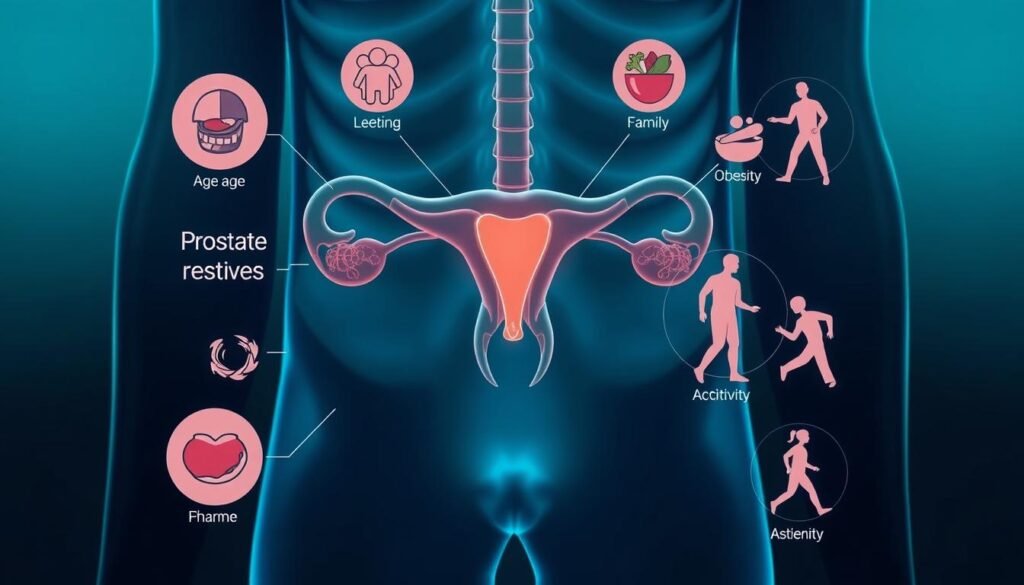
Learning about prostate cancer risk factors is vital for men. It helps them make smart choices about their health. Some may face a higher risk based on their lifestyle and who they are.
Age and Family History
Getting older increases the risk of prostate cancer, especially after 50. The chance goes up with each decade. If family members have had it, your risk is higher. This means knowing your family’s health history is key. It pushes the need for regular check-ups.
Lifestyle Factors Affecting Risk
Poor lifestyle choices can raise prostate cancer. Eating a lot of red meat and not enough fruits and veggies are bad news. Obesity and not exercising much can also increase your risks. But, by eating well and staying active, you can fight off these risks. Changing these habits can help keep cancer at bay.
Preventive Measures for Urinary Health
To keep your urinary system healthy, it’s important to be proactive. A healthy lifestyle and regular doctor visits are key. These steps can prevent problems in the urinary tract and prostate.
By following simple strategies, you can greatly improve your urinary health.
Healthy Lifestyle Choices
Eating a diet full of fruits, veggies, and whole grains helps your urinary system. Drinking plenty of water is also critical. It removes toxins from your body.
Adding regular exercise to your day boosts your overall health. This can lower the chances of urinary issues. Cutting down on alcohol and caffeine is also beneficial for your urinary tract.
Regular Medical Check-Ups
Check-ups are a must, especially for those at risk of urinary or prostate issues. Early screenings can spot problems, making them easier to manage. Doctors can give personalized advice to prevent issues. They make sure you’re taking the right steps for your health.
Treatment Options for Diagnosed Conditions
Knowing the treatment options for blood in urine conditions is crucial. The best method can greatly improve results. This is true for prostate cancer and urinary tract infections (UTIs).
Standard Treatments for Prostate Cancer
Prostate cancer treatment depends on the cancer stage and the patient’s situation. The main treatments include:
- Active Surveillance: Doctors watch the cancer closely without treating it right away, best if it grows slowly.
- Surgery: Surgery can remove the prostate or nearby tissues to try curing the cancer if it hasn’t spread.
- Radiation Therapy: This uses powerful rays to kill cancer cells.
- Hormone Therapy: This method reduces cancer-growing hormones.
Choosing the best prostate cancer treatment means talking with doctors about your health and how aggressive the cancer is.
Management of Urinary Tract Infections
Antibiotics are the go-to for urinary tract infections. They fight the infection’s bacteria. It’s vital to take all the medicine to avoid the infection coming back. Also, small changes in habits can help prevent new infections. These changes include:
- Drinking lots of water to clear out bacteria.
- Keeping clean, especially after going to the bathroom.
- Staying away from products that can bother your bladder.
Spotting symptoms early means quick antibiotic treatment, reducing UTI complications. For more on hematuria and related health problems, check this resource.

Medication Side Effects and Their Impact
Some common medications may cause unexpected problems, like hematuria. Knowing the possible medication side effects is key for anyone on prescriptions. It helps you talk better with doctors and quickly deal with any alarming signs.
Common Medications That May Cause Hematuria
There are many medications that might lead to blood in urine. Among them are:
- Blood Thinners: Drugs such as warfarin and aspirin can raise the chance of urinary bleeding, resulting in hematuria.
- Nonsteroidal Anti-Inflammatory Drugs (NSAIDs): Over-the-counter medicines like ibuprofen might irritate and cause bleeding.
- Certain Antibiotics: Some antibiotics, for example, penicillin, could lead to hematuria as a side effect.
Don’t wait to get in touch with your healthcare provider if you see signs of hematuria from these common medications. Getting medical advice quickly can help fix the issue or change the dose if needed.
Conclusion
Seeing blood in your urine is a warning sign that shouldn’t be ignored. It’s a clear signal that something might be wrong, and it could point to serious conditions like prostate cancer. Knowing about this symptom is key for catching problems early.
Getting medical help quickly can lead to better health outcomes. It’s all about being aware. This can help you stay in good urinary health.
We’ve talked about what causes blood in urine and the symptoms that come with it. It’s really important to know the risk factors and how to avoid them. Living a healthy life and getting regular check-ups can help lower your risk of urinary problems.
Having the right information is crucial when it comes to your urinary health. Being alert to signs like blood in urine is important for staying healthy. Aware people who act fast can protect their health in a big way.