Nearly one in seven men will face prostate cancer in their lifetime. It’s the second most common cancer among men globally. Early detection of its symptoms can lead to better treatment results.
Although prostate cancer may not show signs at first, being alert to the early ones is crucial. Key indicators include difficulty urinating, blood in urine or semen, and losing weight without trying. These signs are especially important for older men and Black men who are at higher risk.
Key Takeaways
- Prostate cancer affects one in seven men, making it the second most common cancer among men.
- Most early-stage prostate cancers show no symptoms, highlighting the need for screening.
- Common early signs include trouble urinating and blood in urine or semen.
- Awareness of symptoms can lead to earlier diagnosis and more effective treatment.
- Certain demographic factors, including age and ethnicity, can increase risk.
- Treatment options for prostate cancer are most effective when detected early.
Understanding Prostate Cancer
Prostate cancer begins when cells in the prostate gland mutate and multiply out of control. This is a major health issue for people with male reproductive organs. Knowing about prostate cancer helps us understand the risks it brings. It mainly starts with abnormal cells in the prostate. As more men get diagnosed, spreading awareness is crucial for early detection.
What is Prostate Cancer?
Prostate cancer is the top cancer among men. Every year, about 299,000 men in the U.S. are told they have it. This makes knowing about it very important. Most cases are adenocarcinomas but there are rare types like sarcoma and small cell carcinoma. The chance of getting it increases with age, mainly in men over 65, and it’s uncommon before 40.
How Common is Prostate Cancer?
About one in eight men will be diagnosed with prostate cancer in their life. Black men are at a higher risk of facing more aggressive forms. They are 2.5 times more likely to die from it compared to non-Hispanic white men. This disease is mainly found in older men, showing why regular check-ups are crucial.
Experts suggest starting screenings at 50 for average risk men, 45 for those at higher risk, and 40 for men with a family history of prostate cancer. Regular screenings can save lives by catching the disease early.
Understanding the Prostate Gland
The prostate gland is vital for male health. It plays a big part in how the prostate works. As men get older, their prostate may change, affecting their health. This shows why it’s important to take care of it.
Functions of the Prostate
The prostate’s main job is making seminal fluid. This fluid helps sperm move during ejaculation. It also helps control peeing, because it’s near the urethra.
As men age, they might get benign prostatic hyperplasia (BPH). This can make peeing difficult. It shows why the prostate’s health is key to feeling good.
Where is the Prostate Located?
Knowing where the prostate is helps understand its impact on health. It’s located below the bladder, surrounding the urethra. Its position is important because its enlargement can block urine flow, causing discomfort.
Being aware of its location and role emphasizes regular check-ups. This can help spot problems early.
https://www.youtube.com/watch?v=qkWSE5Ro1GY
Risk Factors for Prostate Cancer
Knowing the risk factors for prostate cancer is important. This allows people to be proactive. Age, ethnicity, family history, and lifestyle are major factors.
Age and Ethnicity Considerations
Age significantly affects prostate cancer risk. Most cases are found in men older than 65. The risk grows as men reach between 75 and 79 years old.
Ethnic background also matters a lot. African American men face the highest risk of getting prostate cancer. They are also more than twice as likely to die from it compared to white men.
The Role of Genetics and Family History
Genetics play a strong role in prostate cancer risk. Men with a father or brother who had it are at double the risk. Certain gene mutations, like those in BRCA2, increase the risk even more. Lynch syndrome, from other gene mutations, also ups the risk.
Impact of Lifestyle on Prostate Cancer Risk
Lifestyle is a big part of prostate cancer risk. A high-fat diet, especially with red meat and high-fat dairy, raises the risk. Although obesity doesn’t increase overall risk, it is linked to more severe forms of the disease.
Also, exposure to pesticides and certain chemicals may increase the risk. So, lifestyle changes can be key in reducing your risk.
Early Signs of Prostate Cancer
Knowing the early signs of prostate cancer can lead to early treatment. Many men do not show symptoms at first. When symptoms do show up, they can look like less serious problems.
Common Early Symptoms to Monitor
Early signs of prostate cancer are crucial but may not be obvious. Men should watch out for these signs:
- Trouble urinating: This could mean peeing more often, feeling a strong need to go, or having a weak urine flow.
- Blood in urine or semen: These signs need quick medical help.
- Pain during urination or ejaculation: Pain can show there might be health problems.
Prostate cancer symptoms can be similar to other conditions, like benign prostatic hyperplasia or prostatitis. It’s key to see a doctor for a right diagnosis. Regular check-ups help with this. Keeping track of these symptoms can lead to early action, which might make treatment more successful.
Why Symptoms May Not Appear Initially
Prostate cancer can grow without causing symptoms at first. This makes spotting the early signs hard. As men get older, the risk grows. This is especially true for those with a family history or those who are at higher risk, like Black men. When symptoms show, the cancer might already be advanced, making treatment harder.
Learning about prostate cancer and its early signs helps people take action sooner. Knowing that early symptoms can be confused with other problems stresses the need to talk to doctors. Catching the disease early is key to better results and life quality for those affected. Knowing the difference in symptoms is important for good health.

Signs of Prostate Cancer in Men
It’s very important to know the signs of prostate cancer early. Many symptoms can show up, meaning it’s time to see a doctor. Keep an eye out for these indicators that might mean prostate cancer is present.
Trouble Urinating: A Key Indicator
Urinary symptoms can be big warning signs for men. Problems like weak urine flow, hard starting or stopping peeing, and needing to go a lot at night could mean something serious. If you notice these, talk to a doctor about the chance of having prostate cancer.
Blood in Urine or Semen
Seeing blood in your urine or semen is scary and it’s a sign you shouldn’t ignore. It can mean there are big health problems, including prostate cancer. If you see this, get medical help right away to figure out the next steps.
Bone Pain and Unexpected Weight Loss
Prostate cancer can cause bone pain if it spreads. Sudden weight loss without trying is also a worrisome sign. Both of these need fast checking by a doctor to find the cause and start the right treatment.
| Symptom | Significance |
|---|---|
| Trouble Urinating | Indicates potential obstruction or irritation in the urinary tract. |
| Blood in Urine or Semen | May point to serious conditions, including prostate cancer. |
| Bone Pain | Could suggest cancer spread to the bones, necessitating further examination. |
| Unexpected Weight Loss | A common symptom of advanced stages of cancer, indicating possible systemic effects. |
Being aware of these signs lets people act fast. This improves the chance of successful treatment and better health in the end.
Advanced Symptoms of Prostate Cancer
As prostate cancer gets worse, signs become more obvious and can greatly affect life quality. People may notice many symptoms of late-stage prostate cancer that need care. Spotting these symptoms early can help adjust treatments and offer better support to patients.
Erectile Dysfunction and Sexual Health Issues
Erectile dysfunction is a common issue for men with prostate cancer. It might happen because of the cancer or treatment side effects. The emotional and mental challenges that come with this issue are tough. It’s important to talk openly with doctors about ways to manage.
Pain Spread in the Body
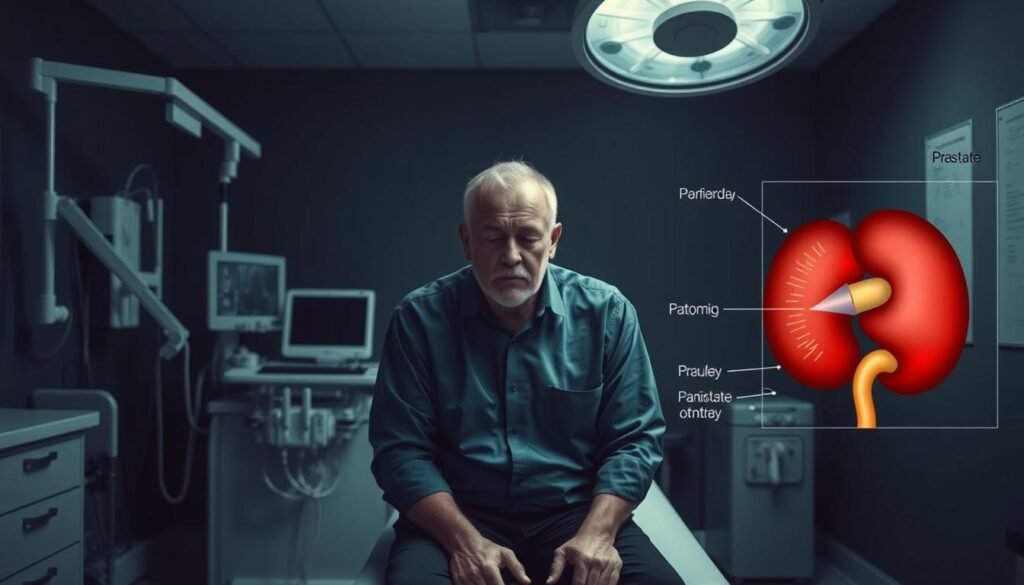
Advanced prostate cancer can cause pain all over the body, especially if it spreads to bones. People may feel pain in their hips, back, or ribs. This pain can change in strength and may interfere with daily activities. Finding the right pain relief is crucial for improving life for those at this stage of the disease.
Importance of Regular Screening
Regular checks for prostate cancer are key in finding it early. Catching it early often means better treatment results and fewer deaths. The American Cancer Society says men should talk about screening with their doctors, especially if they’re at higher risk.
Who Should Get Screened?
It’s vital for men to know if they should get checked for prostate cancer. Advice varies depending on age and other risk factors:
- Men aged 50 and above are usually told to consider getting screened.
- Men aged 45 or above who have prostate cancer in their family, or are Black, should talk about screening with their doctor.
- Men under 40 are normally not advised to get screened.
- For men aged 55 to 69, it’s crucial to think about the pros and cons of getting screened.
- Men 70 or older might not need screening, except if they’re very healthy.
Recommended Screening Guidelines
The main tests for checking prostate cancer are the Digital Rectal Exam (DRE) and the Prostate-specific Antigen (PSA) test. These tests greatly increase the chances of finding prostate cancer early, when it’s easier to treat. Screening has played a big part in cutting death rates. Since the early 90s, deaths have dropped by 40 to 50 percent.
Diagnosis of Prostate Cancer
Knowing how doctors diagnose prostate cancer is key for quick help. They use different tests to find and confirm the disease.
Methods Used for Diagnosis
Doctors have tools to check if a person might have prostate cancer. These include:
- Digital Rectal Exam (DRE): This is where the doctor feels the prostate for any odd shapes or sizes.
- PSA Blood Test: This test looks at levels of a specific marker that can signal cancer.
- Biopsy: This procedure takes tiny pieces of the prostate to look for cancer. Usually, 12 samples are taken from different areas.
- Imaging Tests: Tests like MRI can give a clear picture of the prostate and spot unusual areas.
Advances in Diagnostic Technology
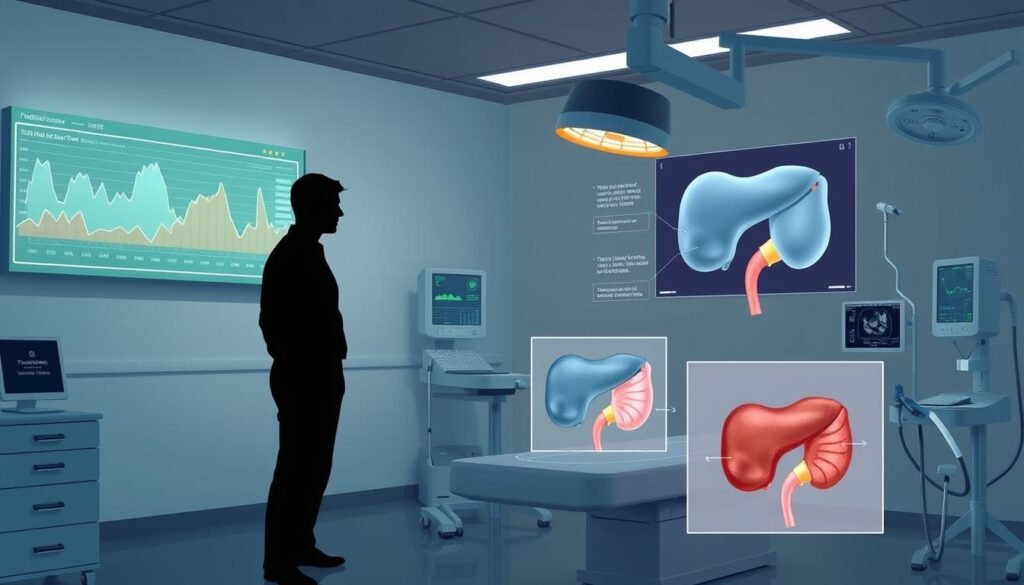
Technology has made prostate cancer tests better. For example, genetic testing can reveal how aggressive the cancer is. This helps in choosing the right treatment.
Better imaging makes it easier to see the prostate without surgery. This progress means doctors can offer patients care that fits them best. Thus, the way we find and treat prostate cancer is always improving, thanks to new tech.
Treatment Options for Prostate Cancer
When you get a prostate cancer diagnosis, you have many treatment options. These depend on the cancer’s stage, how fast it’s growing, and what you prefer. It’s important to choose a treatment that fits your needs. Knowing about each option helps you talk better with your doctors.
Active Surveillance vs. Immediate Treatment
Active surveillance is best for low-risk, slow-growing prostate cancer. It means you can wait before starting heavy treatments. Doctors keep a close eye on the cancer with PSA tests and biopsies. If the cancer grows, you can then look at other treatments.
Medications and Surgical Treatments
Choosing between surgery or medication depends on many things. Surgeries can mean removing the prostate. Medications, like hormone therapy, focus on slowing the cancer. Each choice has its own pros and cons. This makes a personal treatment plan very important.
Looking at prostate cancer treatment guidelines can offer more help in understanding your options.
| Treatment Option | Description | Indications |
|---|---|---|
| Active Surveillance | Monitoring prostate cancer without immediate treatment. | Low-risk, slow-growing cancers. |
| Surgical Treatments | Includes radical prostatectomy and other surgical methods. | Intermediate to high-risk cancers requiring intervention. |
| Hormone Therapy | Reduces levels of male hormones, slowing cancer growth. | Advanced stages or recurrent prostate cancer. |
Conclusion
Knowing early signs of prostate cancer is key for quick action and better treatment. Men may have trouble peeing or find blood in their urine. Catching these signs early can help improve treatment success and outlook.
Awareness is crucial. Regular check-ups are vital, especially for those at higher risk because of age or family history. Talking openly with doctors about health and symptoms is important. Resources like this guide offer detailed help for managing prostate health.
Staying informed helps men take action fast, increasing the chances of finding prostate cancer early. Education promotes better prostate health, leading to a stronger community focused on staying healthy.