Did you know nearly 1 in 8 men will get prostate cancer during their life? This fact shows we need to know about good treatments, like hormone therapy. Hormone therapy lowers male hormones, such as testosterone, and slows or stops cancer cell growth. Learning about this treatment helps individuals and families manage cancer better and live well during treatment.
For those dealing with prostate cancer, hormone therapy can greatly help. It helps manage symptoms and improve outcomes. To learn more about how it works, including side effects and success rates, check out this resource.
Key Takeaways
- Hormone therapy targets male hormones to slow cancer cell growth.
- It is essential for managing prostate cancer effectively.
- The treatment may alleviate symptoms related to prostate cancer.
- Understanding treatment options helps improve patient outcomes.
- Educating patients and families is key in cancer care.
Understanding Prostate Cancer
Prostate cancer happens when cells in the prostate gland grow out of control. It is one of the most common cancers in American men. Knowing about prostate cancer helps in catching it early and treating it.
What is Prostate Cancer?
This cancer mainly targets older men, and the risk goes up as they age. Things like genes, how you live, and the environment can raise the risk. It usually grows slowly and might not cause symptoms right away.
Symptoms and Diagnosis
People with prostate cancer might have:
- Difficulty urinating
- Blood in urine or semen
- Painful urination
- Pain in the hips, back, or pelvis
- Unexplained weight loss
Finding it early can make a big difference in treating it. Diagnosing prostate cancer typically involves several steps:
- Physical examination
- Prostate-specific antigen (PSA) blood tests
- Imaging tests, such as ultrasound or MRI
- Biopsies to check for cancer cells
It’s important to understand prostate cancer, its symptoms, and how it’s diagnosed. This knowledge is key for early intervention and looking into treatment choices.
Overview of Hormone Therapy for Prostate Cancer
Hormone therapy is key in treating prostate cancer. It’s mainly for cancers fueled by male hormones, like testosterone. Learning about Overview of Hormone Therapy helps patients and caregivers choose the best treatments. It lowers hormone levels to stop cancer cells from growing, playing a big role in prostate cancer care.
What is Hormone Therapy?
Hormone therapy for prostate cancer works by decreasing testosterone. This hormone helps many prostate cancers grow. Treatments might stop testosterone production or even involve removing the testicles. The goal is to shrink tumors and slow cancer from getting worse.
Importance in Cancer Treatment
The value of Hormone Therapy Importance in treating prostate cancer is very high. It’s vital for advanced stages where cancer has spread. Using hormone therapy with other treatments improves results, leading to better patient care. For deeper insight, check out academic and medical sources like this article.

Types of Hormonal Therapies
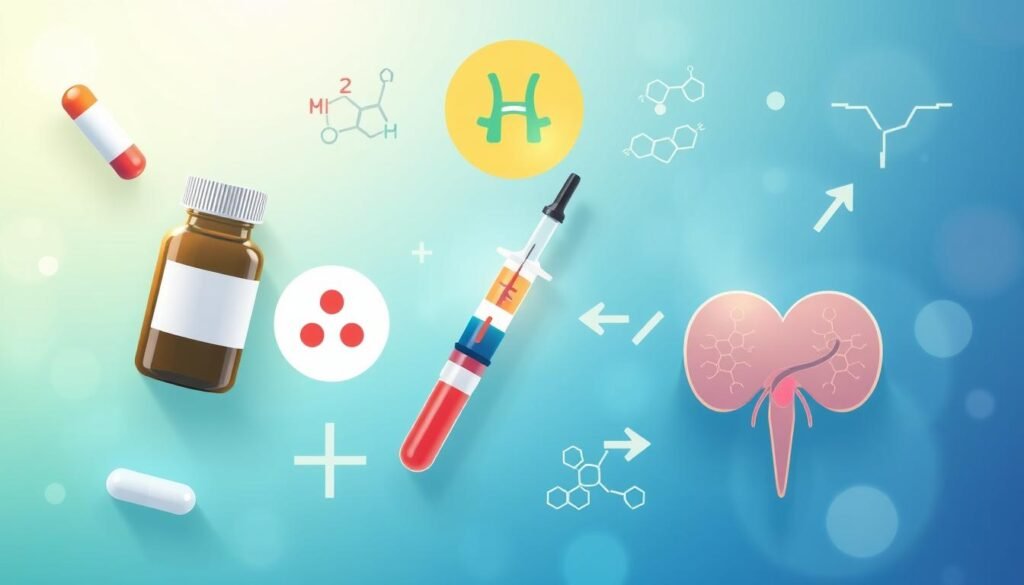
There are many types of hormonal therapies for prostate cancer. These therapies target and lower androgen levels, which can help stop cancer cells from growing. They are crucial in slowing down the disease and matching treatment to each patient’s unique situation and cancer stage.
Androgen Deprivation Therapy
Androgen Deprivation Therapy (ADT) works to reduce testosterone levels. It either stops its production or blocks its effects on cancer cells. Lowering testosterone can slow down the growth of the cancer. This method is often used for advanced stages of prostate cancer.
Anti-Androgen Treatment
Anti-Androgen Treatment prevents testosterone from reaching cancer cells. It blocks androgens, stopping them from encouraging the cancer to grow. This makes it an important part of many patients’ treatment plans.
Luteinizing Hormone-Releasing Hormone Agonists
Luteinizing Hormone-Releasing Hormone (LHRH) Agonists reduce secretion of luteinizing hormone by the pituitary gland. This action decreases testosterone production in the testes. These medications are a key in hormone therapy approaches.
Gonadotropin-Releasing Hormone Analogues
Gonadotropin-Releasing Hormone (GnRH) Analogues also lower testosterone levels, similar to LHRH agonists. They work by suppressing the hormones that would otherwise increase testosterone production. This help controls the growth of prostate cancer.
How Hormone Therapy Manages Cancer Growth
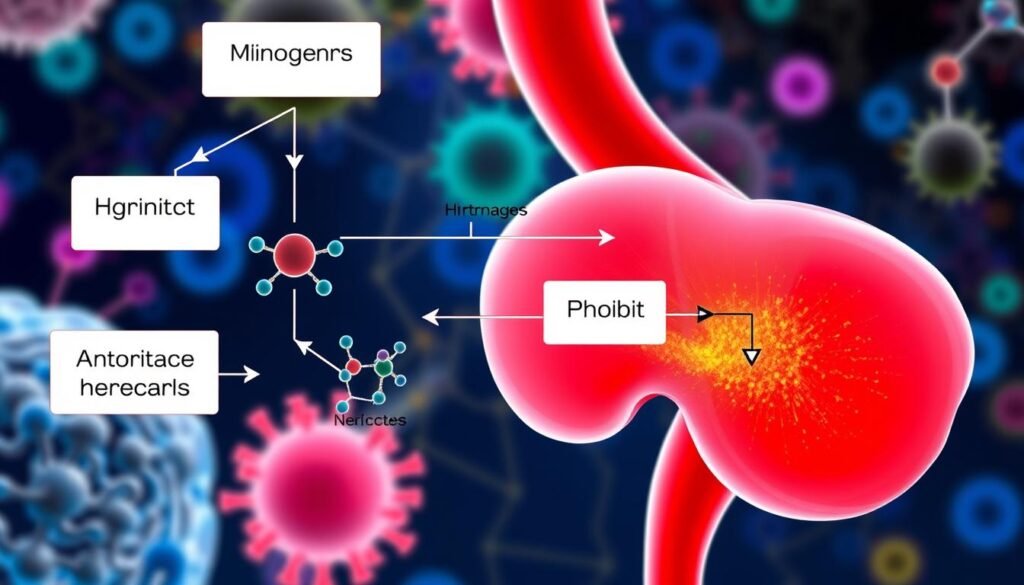
Hormone therapy is key in managing prostate cancer by changing hormonal levels in the body. It mainly works by lowering testosterone, which cancer cells need to grow. The Hormone Therapy Mechanism targets these hormones to slow or stop the tumor from getting bigger.
Mechanism of Action
This therapy lowers testosterone and other hormones that help cancer cells grow. It blocks the signals that tumors need to survive and expand. This changes the environment so prostate cancer cells struggle to grow.
Impact on Tumor Growth
Hormone therapy greatly affects tumor growth. It often makes tumors smaller, leading to less aggressive cancer. Through regular check-ups, doctors adjust the therapy to ensure the best results.
Long-term Effects on Prostate Health
Hormone therapy helps control cancer but its long-term effects need attention. It could impact different body systems. Regular health checks are needed to manage any side effects and keep Long-term Prostate Health in check. The goal is to balance effective cancer management with good overall health.
Testosterone Suppression and Its Role
Testosterone plays a key part in male health, affecting many body functions. When dealing with prostate cancer, it’s crucial to know how testosterone impacts this condition. Since high testosterone levels can increase cancer cell growth, reducing these levels is a key part of treatment.
Understanding Testosterone’s Impact
Testosterone greatly influences prostate cancer’s progression. It works as a growth element for prostate cells. High hormone levels could speed up tumor growth. That’s why lowering hormone levels through testosterone suppression is an effective strategy in treatment.
Methods of Testosterone Suppression
There are various ways to decrease testosterone levels in patients. These methods impact treatment success and patient lifestyle differently. Below are the main methods:
- Surgical Castration: A permanent method that removes the testosterone source by taking out the testicles.
- Medical Castration: Uses injections or pills to cut down testosterone production without needing surgery.
- Oral Anti-Androgens: Pills that prevent testosterone from latching onto its receptors, lessening its effect on the prostate.
| Method | Advantages | Considerations |
|---|---|---|
| Surgical Castration | Permanent testosterone suppression. | Irreversible; potential psychological effects. |
| Medical Castration | Reversible; can preserve some hormonal function. | Needs continuous treatment; medication side effects. |
| Oral Anti-Androgens | No surgery needed; simpler to manage. | Not always effective; needs consistent dosing. |
These suppression techniques give patients options tailored to their needs. Knowing about testosterone suppression is crucial in developing a complete treatment plan for prostate cancer. Awareness can be boosted by using online resources, showcasing the value of learning about methods of testosterone suppression.
Benefits of Hormonal Therapy
Hormonal therapy for prostate cancer has big benefits for a patient’s care journey. It helps patients know what choices are best for their treatment.
Improving Quality of Life
Benefits of hormonal therapy include making life better for those in treatment. It eases pain and discomfort, common in cancer’s progress. This makes patients feel better overall.
It also lessens worry about managing the disease. This lets patients enjoy a more active and happy life.
Enhancing Survival Rates
Studies show hormone therapies improve survival for prostate cancer patients. The right use of this treatment can extend life and remission. This gives patients more control over their disease.
It’s crucial to consider these options. They have a big effect on how long and well patients live. Learn more here.
Prostate Cancer Hormonal Therapy Side Effects
Understanding the potential Hormonal Therapy Side Effects is key for anyone treated for prostate cancer. These therapies help manage cancer but can cause symptoms that impact daily life. Knowing the Common Side Effects lets patients recognize changes and get the right support.
Common Side Effects
During hormonal therapy, patients might see these side effects:
- Hot flashes
- Weight gain
- Fatigue
- Decreased libido
- Bone loss
Dealing with these symptoms early helps avoid more issues and boosts well-being during treatment.
Managing Side Effects Effectively
Using ways to handle Managing Side Effects can really help a patient’s life quality. This can include:
- Eating better and staying active
- Changing meds with a doctor’s help
- Getting mental support through therapy or groups
Staying ahead of these effects means a better treatment journey for individuals.
Alternative Treatments and Complementary Therapies
Many patients dealing with prostate cancer look into alternative treatments besides traditional ones like hormone therapy. These methods include more than just regular medicine. They aim to improve health and wellness overall.
Integrative Approaches
Integrative approaches mix diet changes, exercise, and stress relief techniques. Mindfulness and acupuncture are two ways to reduce stress. Adding these into daily life helps patients handle cancer treatment better.
Studies show that foods with phytochemicals, like pomegranates and green tea, may help fight cancer. Using these alternative options can make life more balanced and therapy more effective.
Supportive Care Strategies
Supportive care is key in improving life quality and emotional health for those with prostate cancer. It includes group therapy, education, and community help. This boosts confidence and strength. A well-rounded care approach tackles both physical and mental aspects of cancer.
For more information about complementary therapies in prostate cancer care, check out this study. It offers insights into combining traditional and alternative treatments.