Did you know up to 85% of men with prostate cancer face side effects from External Beam Radiation Therapy (EBRT)? This number shows how common these effects are. While EBRT effectively targets prostate cancer, it’s crucial to know the side effects. These range from urinary troubles to possible bowel issues. Knowing them helps people manage their health better.
The effects of EBRT can change in how strong they are and how long they last. They might affect your daily life, feelings, and overall health. We will look into common side effects, how to handle them, and why care after treatment matters.
Key Takeaways
- Up to 85% of patients experience side effects from EBRT.
- Side effects can impact quality of life significantly.
- Awareness of potential issues facilitates better management during and after treatment.
- Common side effects include urinary and bowel problems, fatigue, and erectile dysfunction.
- Long-term monitoring is essential for managing delayed radiation effects.
Understanding External Beam Radiation Therapy (EBRT)
External Beam Radiation Therapy (EBRT) is a focused, non-invasive treatment for prostate cancer. It uses a linear accelerator to precisely target the prostate gland with radiation. Patients go through multiple short outpatient visits over several weeks. The treatment aims vary, from curing localized cancer to providing relief in advanced stages.
Radiation is carefully directed from different angles to best treat the tumor. Meanwhile, it also protects the healthy tissue around it. There are three main types of beams used: photon, proton, and electron. Photon beams reach deep, proton beams stop at the tumor, and electron beams treat surface tumors, minimizing damage to healthy cells.
Planning the treatment is a critical step in EBRT. It involves a team effort from various healthcare experts like radiation oncologists and medical physicists. A session called simulation uses imaging scans. This helps in mapping out the treatment area for the best results.
EBRT is advancing with techniques like 3D radiation therapy and IMRT. These methods allow more radiation to hit the tumor while keeping nearby healthy tissue safe. IGRT is especially important. It adjusts treatment to tumor changes, ensuring effectiveness. Therefore, EBRT remains a leading method for treating prostate cancer.
The Mechanism of Action in EBRT
External beam radiation therapy (EBRT) uses high-energy radiation to break cancer cell DNA. This stops the cells from growing and dividing. The goal is to kill cancer cells while saving as much healthy tissue as possible.
Planning is key for radiation therapy effectiveness. The treatment uses advanced methods like 3D Conformal Radiotherapy, Intensity-Modulated Radiation Therapy, and volumetric modulated arc therapy. These techniques aim radiation precisely, protecting healthy organs nearby.
With Image-guided radiotherapy (IGRT), doctors can spot the treatment area better. It mixes real-time images with the therapy plan. It lets doctors adjust for patient moves or tumor changes. This raises the precision and impact of the therapy.
For tough cases, particle therapies like proton beam therapy are another path. This method attacks cancer with particles, not photons. It does more damage to cancer and less to healthy areas around it.
Why External Beam Radiation is Used for Prostate Cancer
External beam radiation therapy (EBRT) is key for treating prostate cancer. It’s often the first choice for early-stage disease. This is because it works well when the cancer is still just in the prostate. Prostate cancer treatment options like EBRT have success rates over 90% early on.
In cases of tougher cancer, doctors might add other treatments like hormone therapy. This mix boosts the effect of EBRT, making it even stronger against cancer. EBRT can also help stop cancer from coming back after surgery.
EBRT isn’t just for fighting cancer. It can also ease pain for those with advanced stages. While it does have side effects, like issues with urination or bowel movements, these usually go away after a while.
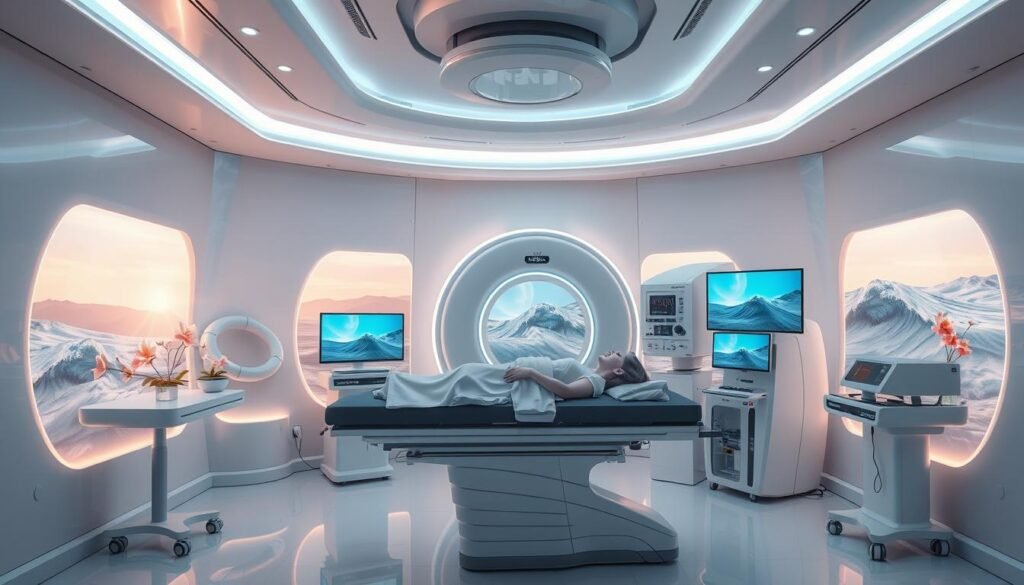
New advances in radiation, like Intensity-Modulated Radiation Therapy (IMRT) and Stereotactic Body Radiation Therapy (SBRT), are making it safer. They help doctors target cancer more precisely, protecting healthy tissue. So, EBRT isn’t just effective; it’s also becoming safer and fits into broader cancer care plans.
Learn more about the significance of radiation therapy in prostate cancer treatment
| Treatment Type | Success Rate | Ideal Patient Profile |
|---|---|---|
| EBRT | 90%+ | Early-stage prostate cancer |
| Combined EBRT and Hormone Therapy | Improved survival | High-risk patients |
| Stereotactic Body Radiation Therapy (SBRT) | Safe and effective | Localized tumors requiring fewer sessions |
Common Side Effects of External Beam Radiation Therapy
People getting external beam radiation therapy (EBRT) for prostate cancer might notice some common radiation therapy side effects. These usually happen because the treatment affects nearby tissues. But, they often get better once the treatment is over.
Feeling tired is a common side effect after treatment. People may feel more tired than usual as their bodies heal. Skin reactions can happen too, looking like a sunburn with redness or irritation.
Many also have gastrointestinal problems such as:
- Diarrhea
- Painful bowel movements
- Abdominal cramping
- Rectal bleeding
- Rectal leaking
Urinary issues are also common and include:
- Going to the bathroom more often
- Having a hard or painful time urinating
- Finding blood in the urine
- Leaking urine
Knowing about these common radiation therapy side effects helps in managing side effects better. It’s important to talk with medical teams to handle discomfort and improve health during treatment.
| Common Symptoms | Notes |
|---|---|
| Fatigue | Can last for weeks after treatment |
| Skin Reactions | May include redness, irritation and might need special care |
| Gastrointestinal Issues | Can usually be helped with diet changes or medicine |
| Urinary Problems | Talk to a healthcare provider for help |
Side Effects of External Beam Radiation Therapy
External beam radiation therapy (EBRT) has possible side effects. Knowing about these effects is important. Patients and their families should understand them to manage expectations and get the right support.
Frequent Urination and Urinary Issues
During radiation therapy, some patients may face urinary issues. This can affect their daily life. Radiation cystitis could cause increased need to urinate, burning, and sometimes blood in urine. These symptoms can be upsetting, but they usually get better as the body heals.
Bowel Problems including Radiation Proctitis
Radiation can affect the bowels and cause radiation proctitis. This affects the rectum and nearby areas. People might feel abdominal pain, have diarrhea, or notice bleeding. Though relief may come after therapy ends, some may have long-term problems. It’s key to keep talking with doctors to manage these issues.
Sexual Dysfunction
Sexual dysfunction is another big issue after EBRT. Men often report lower erectile function. This problem tends to grow slowly unlike issues from surgery. Being aware and openly talking about it helps. Patients can then find help and support from their healthcare team.
| Side Effects | Description | Management Strategies |
|---|---|---|
| Frequent Urination | Increased urination frequency and urgency | Fluid management and bladder training |
| Bowel Problems | Symptoms include cramping, diarrhea, rectal bleeding | Dietary adjustments and medications |
| Sexual Dysfunction | Diminished erectile function | Counseling and potential medications |
Managing Radiation Therapy Side Effects
Radiation therapy can cause different side effects. These side effects vary from one person to another. Knowing how to manage them makes the treatment journey better. It’s vital to handle urinary symptoms, adjust diets, and support sexual health.
Strategies for Urinary Symptoms
There are several ways to manage urinary side effects from radiation. Techniques include:
- Pelvic floor exercises to strengthen muscles
- Scheduled bathroom breaks to minimize discomfort
- Medications to alleviate various urinary symptoms when necessary
Dietary Adjustments for Bowel Issues
Making changes to your diet can help with bowel problems from radiation therapy. Important dietary changes include:
- Increased fiber intake to help prevent constipation
- Staying hydrated to mitigate diarrhea and cramping
- Consulting with a nutritionist specializing in oncological needs for personalized dietary advice
Support for Sexual Health
Talking openly with doctors about sexual health is key. Discussing treatment for sexual dysfunction is important. Improving intimacy and sexual enjoyment can enhance recovery quality of life.

For more information on managing radiation side effects, you can visit potential side effects from radiation treatment or explore prostate cancer treatment options.
Radiation Dermatitis and Skin Reactions
Radiation dermatitis affects most patients who undergo external beam radiation therapy (EBRT). Over 95% see changes in their skin, making it vital to understand these reactions. These can vary from mild to severe, affecting patients’ comfort and well-being during treatment.
Understanding Radiation Dermatitis
Radiation dermatitis comes in acute and chronic forms. Acute reactions can range from Grade 1, with simple redness and peeling, to Grade 2, showing more intense symptoms. The more serious reactions, Grade 3 and 4, involve heavy peeling, ulcers, and skin death. Chronic conditions may develop long after treatment ends, bringing long-term problems like ulcers and skin cancer. Recognizing and managing these early is key to better outcomes.
Advice for Skin Care During Treatment
To fight radiation dermatitis, start with good skin care. Here are some tips:
- Use gentle skincare products to avoid more irritation.
- Stay away from harsh chemicals and too much sun.
- Keep skin moisturized with creams, like those with aloe vera.
- Keep the treated skin clean to avoid infection.
Talking often with healthcare providers helps quickly deal with skin changes. Managing these side effects well improves comfort and quality of life during treatment.
Managing Radiation Fatigue
Radiation therapy is a helpful treatment but can cause side effects like fatigue. Knowing how to spot and deal with fatigue can greatly improve one’s quality of life during treatment.
Signs of Radiation Fatigue
Radiation therapy often leads to a deep type of tiredness called radiation-induced fatigue. This tiredness feels different because it doesn’t go away with sleep. It’s important to know this fatigue gets worse with more treatment.
Some patients might feel very sleepy during the day. This extra sleepiness is known as somnolence syndrome, and it happens after a lot of radiation therapy.
Tips for Overcoming Fatigue
To manage radiation fatigue, a balanced approach is best. Light exercises every day can help fight off tiredness. Drinking lots of water and eating small meals throughout the day keeps your energy up. Taking short breaks to rest helps too without making you feel lazier. If fatigue gets really bad, talking to your care team is a good idea.
For more tips on handling fatigue during treatment, check out this resource.
| Method | Description |
|---|---|
| Light Physical Activity | Engaging in regular, gentle exercises can boost energy levels. |
| Hydration | Drinking plenty of fluids helps maintain energy and overall health. |
| Balanced Nutrition | Consuming multiple small meals can sustain energy throughout the day. |
| Rest Structuring | Incorporating planned rest breaks throughout the day can prevent fatigue build-up. |
| Communication | Regularly inform the medical team about fatigue levels for personalized support. |
Radiation Nausea and Mouth Sores
Radiation therapy brings side effects that affect how a patient feels. Radiation nausea and mouth sores are tough. This makes it key to know how to handle such effects for better care.
Causes of Radiation Nausea
Nausea can come from radiation hitting the stomach area. It’s worse if the treatment is near the belly. Stress and changing what you eat while on treatment add to feeling sick. Knowing why helps in finding the right way to deal with nausea.
Ways to Alleviate Nausea
There are a few ways to lessen radiation nausea. They include:
- Eating little meals often instead of big ones.
- Trying ginger in supplements or tea form for its calming effect.
- Taking anti-nausea meds as your doctor suggests.
- Drinking bubbly drinks for some relief.
Talking often with your healthcare team is important. It helps change plans as needed, making you feel better. Paying attention to nausea early on helps in tackling it effectively. This improves the way treatment feels overall.
Long-Term Side Effects and Ongoing Care
After you finish EBRT, it’s vital to know about possible long-term side effects. These effects might show up within the first few years. Some people feel tired for a few months, but other issues might need ongoing care. Being ready for these effects is key to managing your health well.
Delayed Effects of Radiation Therapy
After EBRT, watch out for certain delayed effects. You might have more problems with urination or bowel movements. There’s also a chance of getting secondary cancers. Other side effects depend on where you were treated.
- Bowel changes leading to increased bowel movements
- Infertility for those treated in the pelvic region
- Memory dysfunction resulting from brain radiation
- Changes in breast size or firmness following breast radiation
These issues show why ongoing care after radiation is critical. If you face any problems, it’s important to get help quickly. You can learn more about these side effects from trusted sources.
Regular Follow-Up and Monitoring
Going to your follow-up appointments is crucial. Healthcare teams need to see how you’re doing after treatment. They look for any new problems. During these visits, tell your doctors about any concerns. This helps them take care of you better.
Conclusion
Understanding EBRT’s side effects is crucial for prostate cancer patients. It helps patients manage their treatment journey better. They must be proactive in caring for side effects such as nausea and bladder issues.
Talking openly with doctors is key. This can include how to ease bowel troubles with diet or bladder issues with water. Also, discussing sexual health problems is important for overall well-being.
Being informed about EBRT can greatly improve life quality for patients. Knowing about side effects helps in getting ready and finding support. This leads to a better recovery and helps patients feel in charge of their health again.